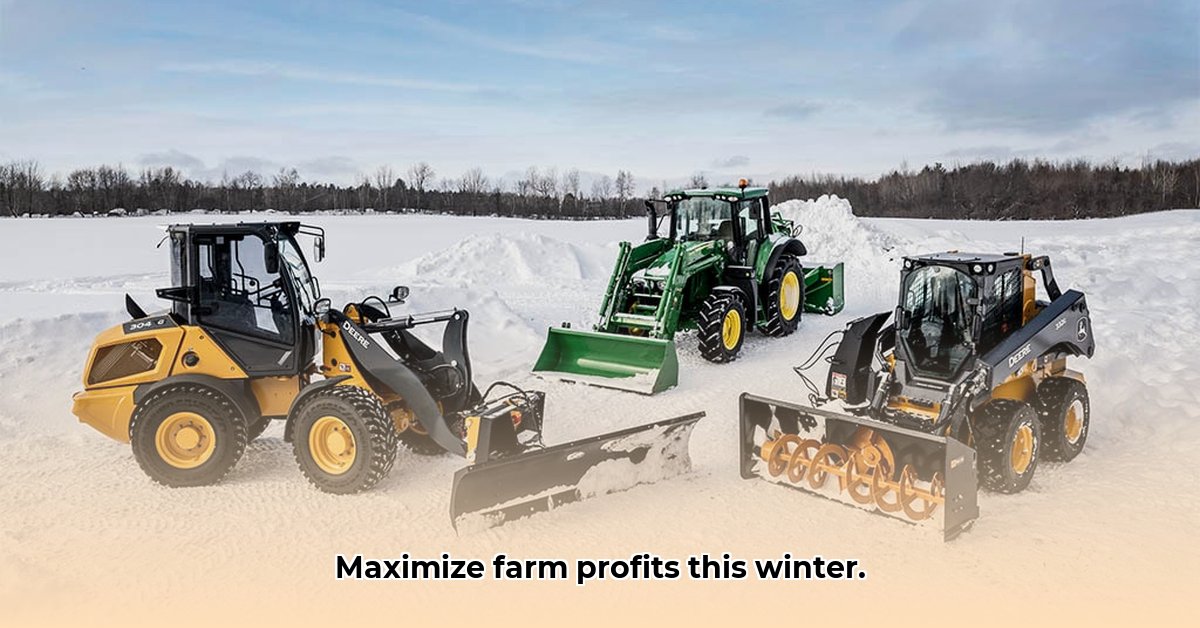
Snow Removal Tractor: Turning Winter into a Profit Center
Farmers, are you looking to maximize your farm's profitability year-round? Don't let winter idle your equipment; with the right strategy, your John Deere tractor can become a powerful tool for generating extra income during the off-season. This guide details how to transform snow removal into a smooth, safe, and profitable enterprise for your farming operation. We'll cover assessing your needs, selecting optimal equipment, and developing a comprehensive winter snow removal plan. For smaller properties, consider a DIY option; check out this DIY snow blade guide.
Assessing Your Snow Removal Needs: A Realistic Assessment
Before investing in snow removal equipment, conduct a thorough assessment of your specific needs. This involves considering several key factors:
- Snowfall: How much snow does your region typically receive annually? Does your area experience light, fluffy snow or heavy, wet snow that's difficult to remove? Understanding snow characteristics is critical to choosing the appropriate equipment. Consider the potential for icy conditions as well, which necessitate additional tools and strategies.
- Property Size: The scale of your operation drastically affects your equipment requirements. A small farm necessitates different machinery compared to a large-scale operation. The acreage to be cleared directly impacts tractor size and power.
- Terrain: Is your land flat and easily navigable or does it feature hills, dips, and obstacles? This directly influences the maneuverability and power requirements of your chosen equipment. Steeper slopes demand more powerful tractors with enhanced traction capabilities.
- Existing Infrastructure: Do you have appropriate storage for your equipment during the off-season? This consideration impacts operational logistics and cost-effectiveness. Adequate storage prevents equipment degradation and ensures readiness for the next winter season.
Choosing Your Snow-Fighting Arsenal: John Deere Equipment and Attachments
John Deere offers a comprehensive range of tractors, utility vehicles (UTVs), and attachments to suit various farm sizes and budgets. For extensive snow removal on larger properties, powerful tractors from the 6R or 7R Series, paired with suitable attachments, are generally recommended. Smaller farms or areas with lighter snowfall might find a John Deere Gator UTV with a smaller plow or blower more cost-effective.
Here's a breakdown of common snow removal attachments:
Snow Blowers: Ideal for deep, heavy snow accumulation, snow blowers utilize rotating augers and impellers to effectively throw snow away from the working area. While efficient in deep snow, they require more powerful tractors and often demand increased maintenance compared to other options.
Snow Plows: Simple and efficient for moving large volumes of snow, snow plows are well-suited for lighter snow conditions. Their straightforward operation and lower maintenance requirements make them a popular choice for many farmers.
Snow Spreaders: Critical for safety, snow spreaders distribute salt or sand to prevent the formation of hazardous ice patches. Ensure you include regular materials replenishment in your operational plan.
The following table summarizes the pros and cons of each attachment type:
| Attachment Type | Pros | Cons | Best Suited For |
|---|---|---|---|
| Snow Blower | Efficient in deep snow, throws snow far | Higher horsepower needed, more maintenance | Deep, heavy snowfalls |
| Front/Rear Snow Plow | Simple, moves large volumes of snow quickly | Less effective in deep snow, requires more passes | Moderate to heavy snowfalls |
| Snow Spreader | Enhances safety, prevents ice build-up | Requires frequent material replenishment | Icy conditions and prevention |
Step-by-Step Guide to Safe and Efficient Snow Removal
Follow these essential steps for a smooth and safe snow removal operation:
Step 1: Pre-Operation Checklist: Before starting the engine, conduct a thorough inspection of your tractor and attachments. Check fluid levels (oil, coolant), tire pressure, and ensure all components are securely fastened. Preventive maintenance minimizes downtime and costly repairs.
Step 2: Attachment Installation: Carefully install your selected attachment, strictly adhering to John Deere's instructions. Double-check all connections for secure fastening to prevent damage or injury.
Step 3: Prioritize Safety: Clear the area of obstacles before commencing operations. Wear appropriate safety gear, including warm clothing, gloves, and eye protection. Maintain a safe operating speed, adjusting as needed based on conditions; slower speeds are safer in challenging situations.
Step 4: Mastering Snow Removal Techniques: When plowing, ensure passes overlap for complete snow removal. When using a snow blower, adjust the chute direction to effectively disperse the snow away from obstacles.
Step 5: Post-Operation Maintenance: After each use, thoroughly clean your equipment, removing snow and ice build-up. Store it appropriately, protecting it from the elements. Perform routine maintenance according to the manufacturer's recommendations and address any damage promptly.
Integrating Snow Removal into Your Existing Farm Schedule
Strategic planning is crucial for incorporating snow removal into your existing farm schedule. Prioritize clearing essential routes (driveways, access roads) before tackling less critical areas. Schedule snow removal operations during periods that minimize disruption to your core farming activities. Consider factors such as weather forecasts and potential staffing needs when creating your winter operation plan.
The Financial Picture: Costs and Returns on Investment (ROI)
While investing in a snow removal setup involves initial costs, the potential increase in revenue from winter operations can significantly offset expenses. John Deere Financial offers various financing options to make this investment more manageable. When budgeting, remember to factor in fuel costs, routine maintenance, potential repairs, and insurance coverage. A detailed cost-benefit analysis will help you determine the financial viability of adding snow removal to your farming business. How to calculate ROI for your John Deere snow removal investment? First, calculate total costs (initial investment, fuel, maintenance, repairs). Then, estimate your revenue from snow removal services or value of time saved. The difference is annual net profit. Divide annual net profit by your initial investment (and multiply by 100 for percentage) to get your ROI.
Environmental Considerations: Minimizing Your Impact
Using heavy machinery can compact soil, potentially impacting land health. Minimize soil compaction by avoiding work in wet snow or muddy areas when possible. Consider employing lighter attachments where feasible to reduce your environmental impact. Sustainable practices ensure the long-term health and productivity of your land.
Conclusion: Expanding Your Farming Horizons
By incorporating snow removal into your farming operations, you can enhance your income potential and make your farm more profitable year-round. With careful planning, appropriate equipment selection, and safe operation procedures, you can transform winter from an idle period into a profitable season for your business. Contact your local John Deere dealer to explore your options and begin maximizing your winter income.